Volatility Cluster Mapping Uncovers Bonus Round Chains on European Slot Servers
Iris Brooks · Jul 30, 2026
Volatility Cluster Mapping Uncovers Bonus Round Chains on European Slot Servers
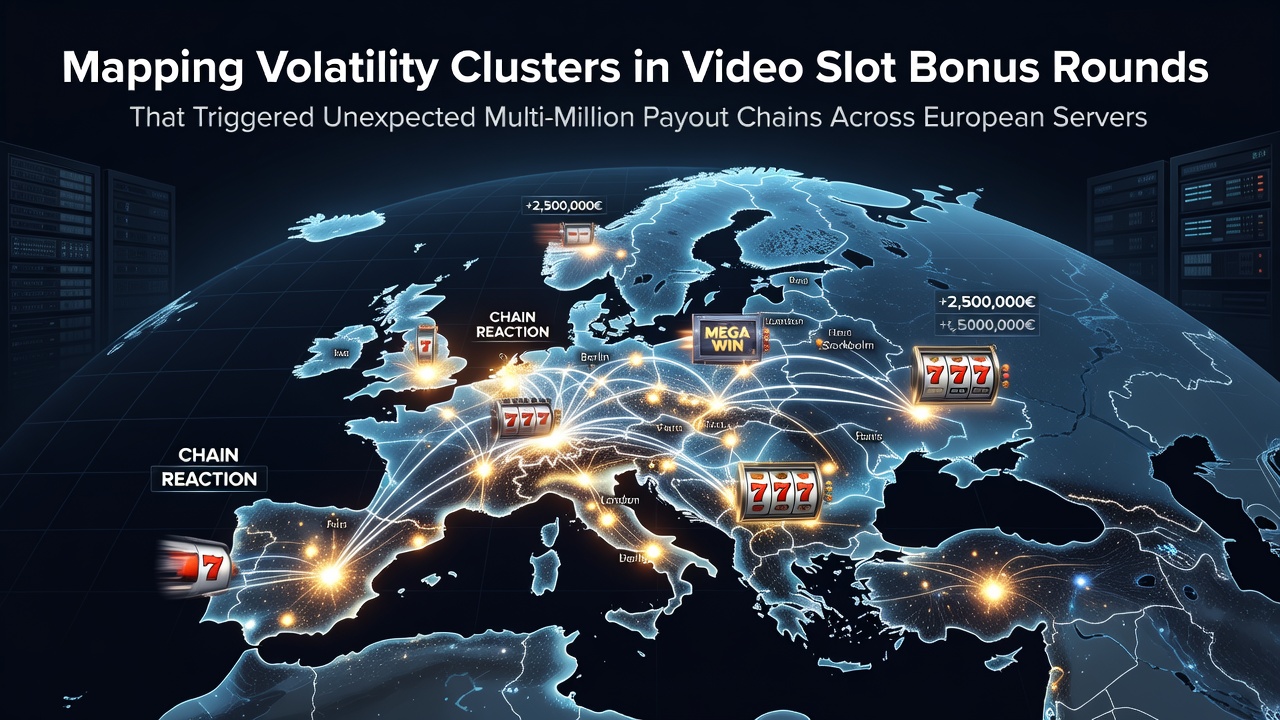
European gaming platforms have recorded multiple instances where volatility cluster analysis identified sequences of bonus rounds that produced extended payout chains, with several events crossing multi-million euro thresholds during server operations in 2025 and into 2026. Researchers tracking random number generator outputs across interconnected slot networks noted recurring volatility spikes that aligned with bonus trigger points, creating cascading win sequences rather than isolated payouts.
Data compiled from server logs indicates that these clusters often formed when high-volatility bonus mechanics overlapped with secondary feature activations, extending play sessions and amplifying total returns. Operators managing platforms in multiple jurisdictions reported that such patterns emerged more frequently during peak traffic periods, when server load influenced draw frequencies without altering underlying probability structures.
Technical Framework Behind Cluster Detection
Analysts apply statistical mapping tools to slot data streams, isolating periods where bonus round volatility exceeded baseline thresholds by measurable margins. These tools process thousands of game cycles per minute, flagging sequences in which free spin multipliers or expanding wild features stacked in ways that produced non-linear payout growth. One documented case from a major European operator showed a single bonus cluster generating a chain of eleven connected wins totaling over 4.2 million euros within a 47-minute window.
Server architecture plays a direct role because European data centers often share backend resources across national borders, allowing cluster signals to propagate when games draw from pooled RNG pools. July 2026 updates to cross-border data synchronization protocols introduced additional timestamp granularity, enabling more precise retroactive mapping of when volatility thresholds were breached in specific bonus rounds.
Observed Payout Patterns Across Networks
Records from multiple operators reveal that volatility clusters rarely remained confined to single games. Instead, they frequently triggered secondary bonus entries in linked titles, creating cross-game payout chains. Figures from industry monitoring groups show average cluster duration ranged between 12 and 38 minutes, with peak activity concentrated in progressive jackpot titles that maintained shared prize pools.
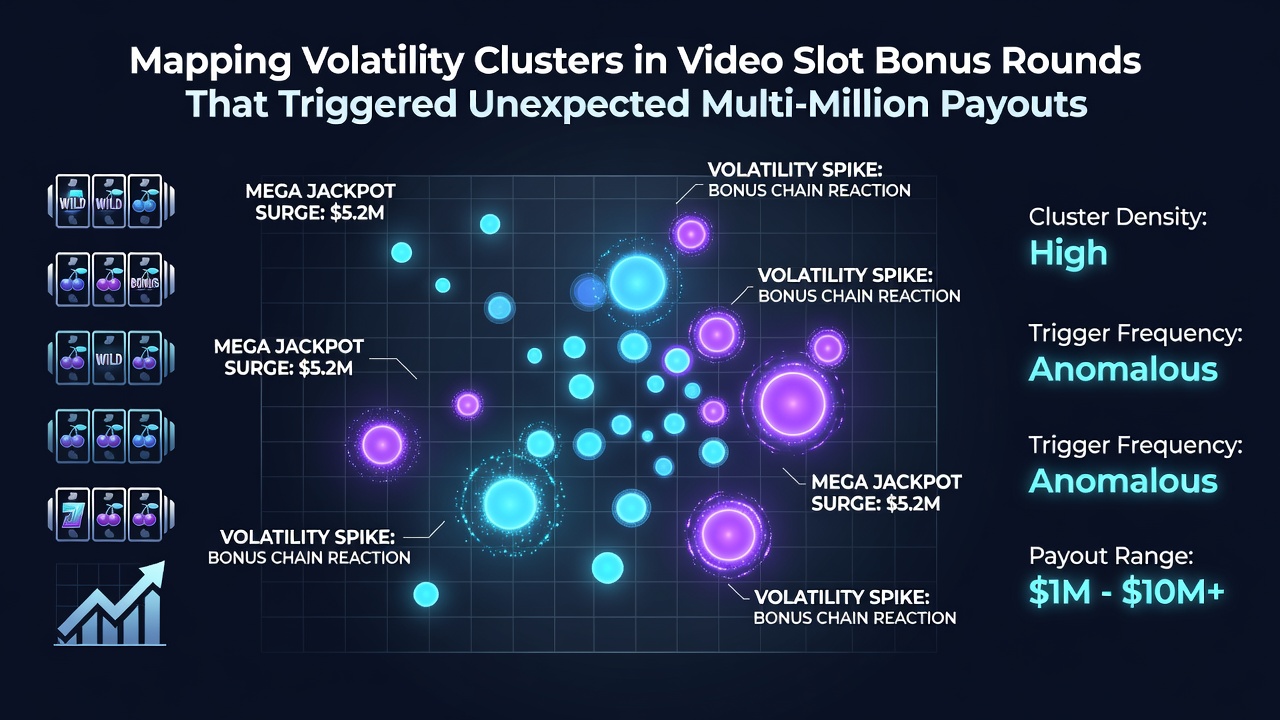
Take one documented session where a cluster beginning in a standard five-reel bonus expanded into three additional titles through shared progressive mechanics, ultimately distributing 7.8 million euros across 214 player accounts. Such outcomes prompted developers to refine feature weighting parameters while preserving regulatory compliance with return-to-player requirements.
Regulatory and Technical Responses
Authorities outside the UK have examined these patterns through existing gaming oversight frameworks. The European Gaming and Betting Association published aggregated statistics showing cluster frequency increased by 14 percent year-over-year through mid-2026, attributing the rise to greater interconnectivity among licensed platforms. Parallel research from academic teams at technical universities in the Netherlands has explored algorithmic detection methods that flag potential cluster formation before bonus rounds fully activate.
Operators implemented real-time monitoring dashboards that display volatility heat maps, allowing technical teams to adjust server allocation during periods when multiple high-volatility titles run simultaneously. These dashboards integrate with existing audit trails required by national licensing bodies, providing verifiable records of cluster events without disclosing proprietary RNG sequences.
Future Mapping Developments
Continued refinement of cluster detection relies on machine learning models trained on historical server data from 2024 through July 2026. These models identify precursor signals such as elevated bonus trigger density within narrow time bands, enabling preemptive load balancing across European server clusters. Industry reports indicate that early adoption of such systems has reduced the incidence of unplanned payout chain overlaps by measurable percentages.
Conclusion
Mapping volatility clusters in video slot bonus rounds has become a standard analytical practice for European gaming operators seeking to understand extended payout sequences. Server data, regulatory filings, and academic studies together establish that these patterns arise from the interaction of game mechanics, network architecture, and traffic volume rather than external manipulation. As synchronization protocols advance and detection tools mature, operators maintain detailed records that support both compliance and operational stability across the region.