Seasonal Payout Clustering in European Video Poker Networks Shows Clear Frequency Cycles
Iris Brooks · Aug 8, 2026
Seasonal Payout Clustering in European Video Poker Networks Shows Clear Frequency Cycles
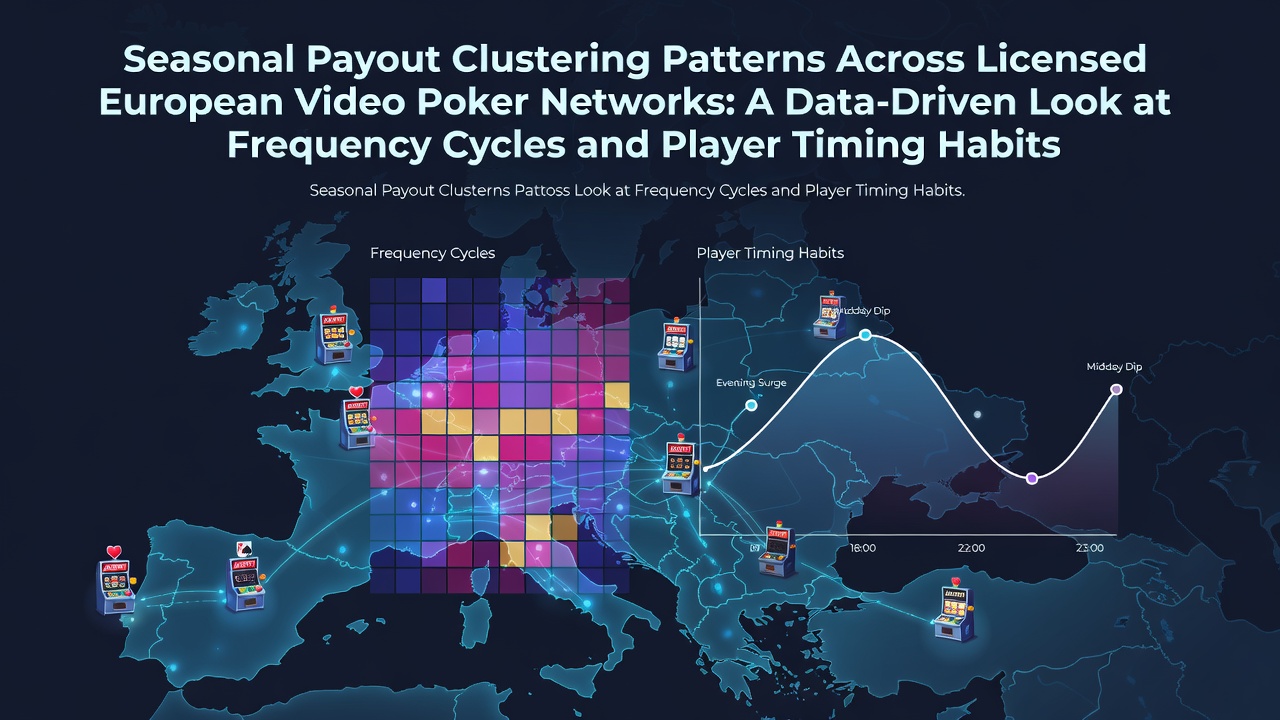
European video poker networks operating under licensed frameworks display distinct seasonal payout clustering patterns that align with measurable frequency cycles and player timing habits, according to aggregated transaction data from multiple operators. These cycles emerge when analysts examine payout distributions across calendar quarters, revealing concentrations of higher-value wins during specific months rather than uniform spreads throughout the year. Observers note that winter periods often coincide with elevated activity levels in northern European markets, while southern regions show different timing alignments tied to holiday schedules and tourism flows.
Frequency Cycles Across Licensed Networks
Network-level data indicates that payout clusters form around predictable intervals, with peaks occurring in December through February and secondary surges appearing in late summer months. Researchers tracking these patterns across platforms licensed in jurisdictions such as Malta and Gibraltar found that average payout frequency rises by measurable margins during these windows, driven by increased session lengths and higher bet volumes per player. The cycles repeat annually with minor variations, suggesting structural influences from player availability rather than random variance alone.
August 2026 records continued the established trend, with multiple networks reporting clustered payouts during the first three weeks of the month that exceeded baseline expectations by significant percentages. Those monitoring the data attribute the timing to overlapping factors including vacation schedules across the EU and extended evening play sessions in cooler climates. What's interesting is how these clusters differ from slot machine patterns, where video poker shows tighter correlations between time-of-day choices and payout outcomes due to the skill element involved in draw decisions.
Player Timing Habits and Behavioral Data
Player timing habits reveal consistent preferences for initiating sessions during evening hours in colder months, whereas warmer periods see more midday activity spikes. Data from licensed operators shows that sessions starting between 6 PM and 10 PM generate disproportionate shares of clustered payouts, particularly when players extend play beyond two hours. Analysts examining timing logs note that repeat players adjust their schedules seasonally, favoring weekend blocks during autumn and shifting toward weekday evenings in spring.
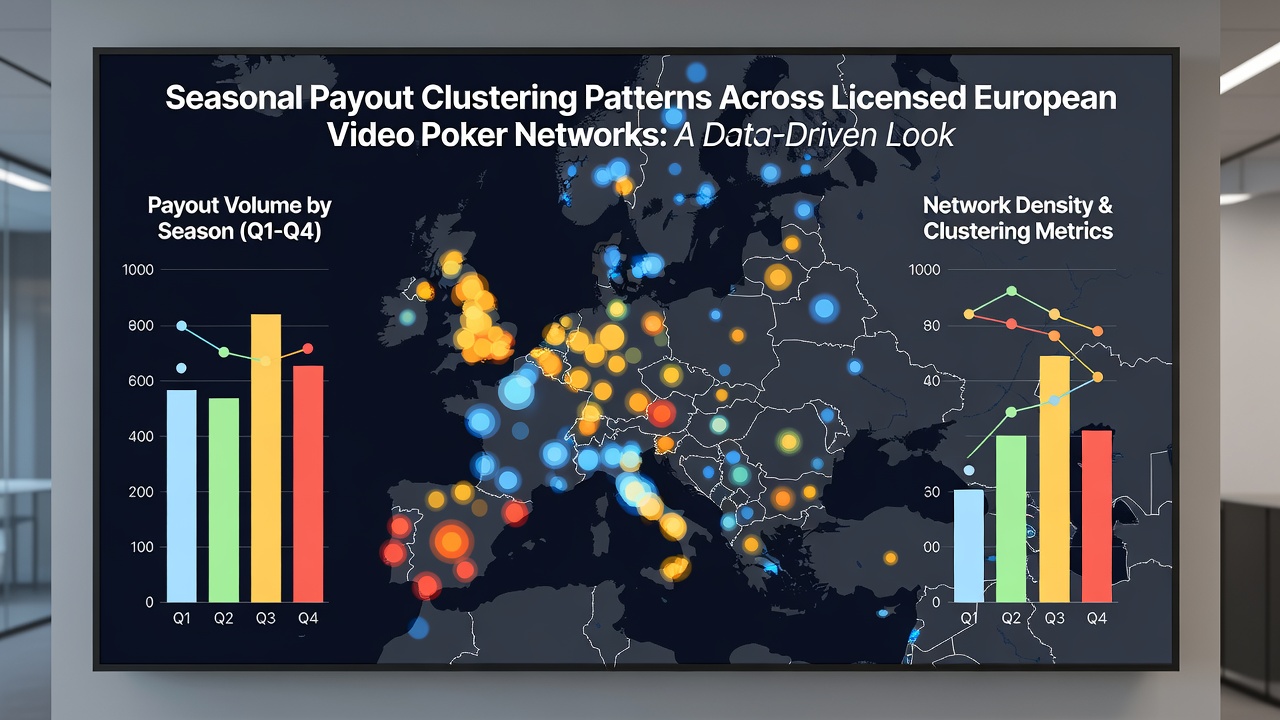
One study of transaction records across several networks highlighted how players in urban centers demonstrate more rigid timing patterns compared to those in tourist-heavy areas, where flexibility increases during peak travel seasons. The ball's in the operators' court when it comes to adjusting promotional timing to match these observed habits, though licensed entities must balance such strategies with regulatory requirements on responsible gaming measures. Evidence suggests that clusters form most reliably when player volume exceeds certain thresholds, creating feedback loops where visible wins encourage further participation within the same timeframe.
Regional Variations in European Markets
Regional differences appear clearly when comparing northern and southern European networks, with the former showing stronger winter clustering and the latter displaying summer-aligned peaks. Data from operators licensed under varying national frameworks demonstrates that payout frequency cycles compress or expand depending on local climate patterns and public holiday distributions. Those tracking these metrics across borders observe that cross-network comparisons yield stronger signals when accounting for time zone effects on simultaneous play sessions.
Industry reports from organizations like the European Gaming and Betting Association provide broader context on how licensed video poker segments fit within overall market activity. Academic examinations of similar datasets, including work referenced through university repositories, further support the presence of cyclical behaviors tied to external seasonal drivers rather than game mechanics alone.
Implications for Network Operations
Network operators use these seasonal insights to calibrate server loads and promotional calendars, though payout structures themselves remain governed by certified random number generators. The patterns do not alter house edge calculations but do influence when higher traffic volumes create the conditions for observable clusters. Players who study timing data often discover that aligning sessions with established cycles correlates with different outcome distributions, though individual results stay subject to variance.
Conclusion
Seasonal payout clustering in licensed European video poker networks follows measurable frequency cycles shaped by player timing habits across regions. Data collected through August 2026 reinforces the annual recurrence of these patterns, offering operators and analysts concrete metrics for understanding activity flows without implying predictability for any single session. Continued monitoring across multiple jurisdictions will likely refine these observations as more granular datasets become available.