Mapping Loyalty Tiers in Digital Gaming Platforms and Their Effects on Player Behavior and Reward Systems
Viktor Günther · Aug 10, 2026
Mapping Loyalty Tiers in Digital Gaming Platforms and Their Effects on Player Behavior and Reward Systems
Digital gaming ecosystems have developed structured loyalty tiers that connect player activity across platforms with sustained engagement and distributed reward mechanisms, and these systems rely on data tracking to monitor patterns in session length and cumulative returns. Observers note that platforms integrate points accumulation with tier advancement, which in turn influences how players allocate time between titles while operators adjust payout structures to maintain balance across user segments.
Core Mechanics of Tier Progression
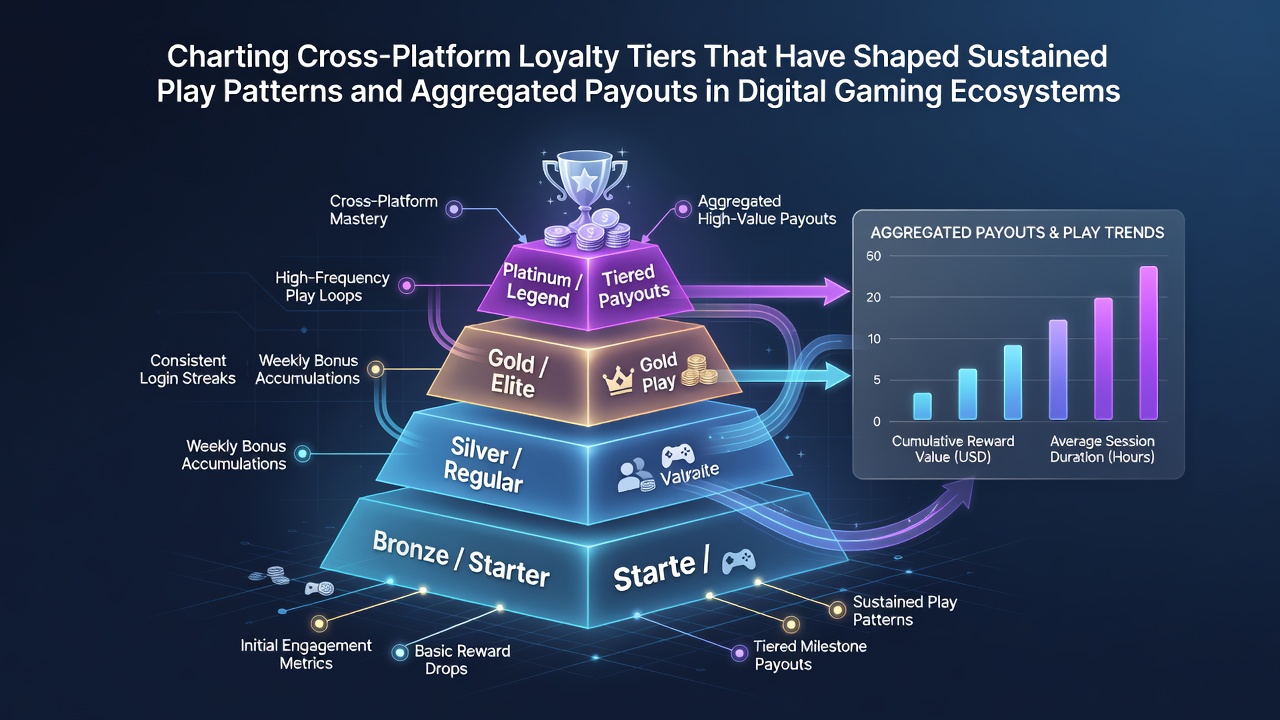
Players advance through loyalty levels by meeting thresholds in deposits, play volume, and retention metrics, yet the exact formulas vary by operator and region. Research from the American Gaming Association indicates that tiered programs in North American markets often combine real-money wagering with time-on-site data, creating pathways where higher tiers unlock cashback rates ranging from 5 to 15 percent alongside exclusive event access. Because advancement requires consistent activity, many platforms link mobile, desktop, and console accounts into single profiles that aggregate points regardless of device.
Systems frequently employ multipliers during promotional windows, and these adjustments accelerate tier movement for targeted demographics. Data from August 2026 shows increased adoption of cross-title point sharing in major ecosystems, where activity in one game contributes directly to status in another without resetting monthly cycles.
Impact on Sustained Play Patterns
Longitudinal tracking reveals that tiered rewards correlate with extended session durations once players reach mid-level status. Studies conducted by university research groups in Australia found that participants in tiered programs extended average play sessions by 22 percent after unlocking silver or equivalent ranks, primarily because bonus rounds and accelerated point earnings created feedback loops. Platforms respond by adjusting difficulty curves or event frequency to keep higher-tier users engaged rather than allowing abrupt drop-offs.
Multi-platform users demonstrate distinct behaviors compared with single-title participants, since points earned on one service transfer or influence eligibility on connected services. This connectivity reduces churn rates, as documented in industry reports from the European Gaming and Betting Association, where operators reported retention improvements of up to 18 percent following implementation of unified loyalty ledgers.
Aggregated Payout Distribution
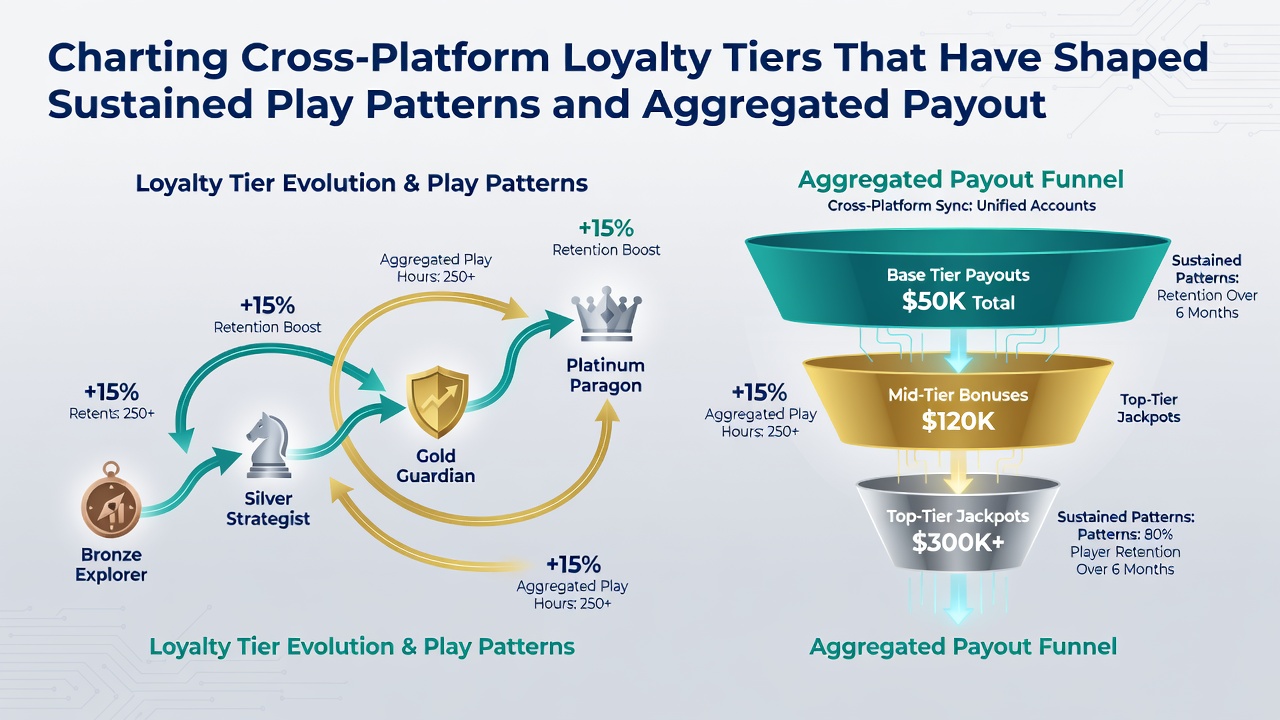
Payout aggregation occurs when platforms pool reward budgets across user bases and allocate them according to tier-weighted formulas. Higher tiers receive larger shares of promotional pools, yet total disbursements remain constrained by revenue targets set quarterly. Figures from regulatory filings in Canada indicate that loyalty-related payouts accounted for 12 to 14 percent of total operator returns in monitored jurisdictions during the first half of 2026, with the majority directed toward users maintaining gold or platinum status for consecutive months.
Operators track these distributions through centralized dashboards that flag anomalies in redemption rates, allowing real-time recalibration of tier benefits. Because aggregated payouts influence overall liability, systems incorporate caps on monthly cashback and tournament entry credits to prevent overspending during peak activity periods.
Regional Variations in Implementation
European markets emphasize regulatory oversight of loyalty mechanics, requiring transparent disclosure of point values and redemption odds, while Asian platforms integrate social features that tie tier status to community rankings. North American operators have focused on integration with sports betting modules, where loyalty points earned from casino play convert into betting credits with defined exchange rates. These differences produce varied play patterns, as users in stricter jurisdictions show slower tier progression but steadier payout redemption cycles.
August 2026 updates to data-sharing agreements between platforms in multiple regions further standardized cross-border point recognition, enabling travelers to maintain status across licensed services without manual verification.
Conclusion
Loyalty tier frameworks continue to shape how players distribute time across digital gaming services and how operators manage cumulative reward outflows. By linking progression mechanics directly to measurable activity and payout allocation, these systems create measurable feedback between engagement duration and financial returns. Continued refinement of cross-platform tracking tools will determine whether current patterns persist or evolve toward new equilibrium points in coming reporting cycles.